
Relapse Prevention & Aftercare in North Richland Hills, TX
Finished rehab or an outpatient program? I help you protect your sobriety once real life, stress and old triggers come back.
Call for a Free Consultation How It Works
The hardest part often starts after treatment
Most people do well while they are in treatment. There is structure, support and distance from everyday life. The struggle usually begins when they get home and the old routines, stresses and triggers are waiting for them.
Relapse is not a sign that treatment failed or that you are hopeless. It is usually a sign that the support stopped too soon. My aftercare work fills that gap, so you are not left on your own in the weeks and months that matter most.
You may benefit from aftercare if
- You recently finished residential treatment or an IOP
- You have relapsed before after a period of sobriety
- You feel the old thoughts creeping back, even if you have not used
- Stress at work or home is building and you are not sure how to handle it
- You catch yourself thinking you can drink or use "just a little"
For more on recovery and ongoing support, the U.S. Substance Abuse and Mental Health Services Administration has resources at SAMHSA.
How relapse prevention works
Know your warning signs
Relapse usually starts long before the first drink or use. We learn to spot your personal early warning signs, in thoughts, moods and behaviors, so you can act early.
A plan for high-risk moments
We prepare for the situations most likely to trip you up, from holidays and work stress to loneliness and conflict at home, with specific steps you can take.
Support every day
Along with weekly sessions, you have daily support from me, so when a hard moment hits, you are not waiting days to talk about it.
Why relapse happens, and how to stay ahead of it
Relapse is usually a process, not a single moment. It often starts with emotional warning signs like stress, resentment or isolation, then moves to thoughts about using, and only later to the drink or drug itself. The earlier we catch it, the easier it is to turn around.
Part of our work is building a recovery routine that holds up under pressure: sleep, healthy connection, honest check-ins and a plan for the days you feel least like doing any of it. We also look at the false belief many people have after a few weeks of sobriety, that they are cured and can drink or use in moderation.
Staying connected to a counselor after treatment keeps those beliefs in check and gives you a safe place to be honest when things get hard.
Recovery also gets easier when your life has things in it you care about. Alongside relapse prevention, we look at rebuilding relationships, health, work and hobbies, so sobriety feels like something you are gaining rather than only something you are giving up.
A counselor who’s been there
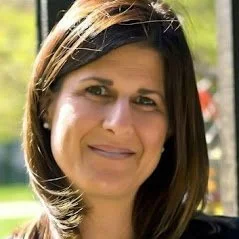
I’m Jennifer Sartin, MS, a Licensed Chemical Dependency Counselor (Texas LCDC #11510) with 17 years of experience. Before I became a counselor, I struggled with alcohol and drugs myself, so I understand this from the inside.
My practice focuses only on addiction. Every client gets a weekly session plus daily support between sessions, because recovery happens in everyday life, not just in my office.
More About JenniferAftercare for North Richland Hills and the area
North Richland Hills is about 20 minutes from my Keller office, and I also see many clients from nearby Watauga, Haltom City and Fort Worth. If driving in is hard, we can meet online from anywhere in Texas.
Coming home from treatment is a big transition. Having one steady counselor who knows your story makes it much easier to keep going.
Many people tell me they feel nervous about losing the structure they had in treatment. Weekly sessions, daily support and a clear plan give you a new kind of structure at home, one that fits the life you are actually living in North Richland Hills.
Call (817) 381-8227Relapse Prevention & Aftercare FAQs
I relapsed. Is it too late to get help?
No. A relapse is information, not a verdict. We look at what led up to it, what you learned and what needs to change, and we get you back on track.
Can I start aftercare before I leave treatment?
Yes, and it often helps. Call (817) 381-8227 before your discharge date and we can plan your first session for right after you get home.
How long does aftercare last?
It depends on you. Many clients start with more support in early recovery and gradually need less as they build their own tools and confidence.
Do I need to have been to rehab?
No. Relapse prevention helps anyone who has gotten some sobriety and wants to keep it, whether you got there through treatment or on your own.
What if I’m doing well right now?
That is a great time to keep going. Aftercare is most effective as protection while things are good, not only as a rescue when they are not.
Can you work with the program I just finished?
With your permission, I’m happy to learn about the plan you made in treatment so we can build on it rather than start over.
If you’re in crisis or thinking about harming yourself, call or text 988, or call 911 in an emergency.
You don’t have to figure this out alone.
Call for a free, confidential phone consultation. I’ll take it from there, and most new clients start within 1–2 days.
Call (817) 381-8227- Keller
- Southlake
- Colleyville
- North Richland Hills
- Roanoke
- Trophy Club
- Westlake
- Watauga
- Grapevine
- Haltom City
- Fort Worth
- Online in Texas